Covid-19 pandemic came with a lockdown which hampered everything from health, to education, to sports, generally the entire economy was hugely affected.
Category: COVID-19
-

Economy was hugely affected
-

Danish queen tests positive for Covid-19
The Queen of Denmark has tested positive for Covid-19 for the second time this year, the Danish Royal Court has confirmed.
Queen Margrethe II has cancelled her appointments for this week after the diagnosis on Tuesday evening.
The 82-year-old monarch was one of 2,000 guests who attended Queen Elizabeth II’s state funeral on Monday.
She is Europe’s longest-serving head of state following the British monarch’s death.
She and Queen Elizabeth were third cousins, both being descended from Queen Victoria.
Queen Margrethe has been vaccinated against Covid and last tested positive in February this year when she presented mild symptoms.
In a statement on the palace website, a spokesperson said she would be recovering at Fredensborg Palace, north of Copenhagen.
Her son and heir, Crown Prince Frederik, and his wife Mary, the Crown Princess, will take her place in hosting members of the government, the Danish parliament, and Danish members of the European Parliament at a reception on Friday in Copenhagen.
In recent days, Queen Margrethe was pictured at several events in London to mark Queen Elizabeth II’s death.
Her son and heir, Crown Prince Frederik, and his wife Mary, the Crown Princess, will take her place in hosting members of the government, the Danish parliament, and Danish members of the European Parliament at a reception on Friday in Copenhagen.
In recent days, Queen Margrethe was pictured at several events in London to mark Queen Elizabeth II’s death.
-
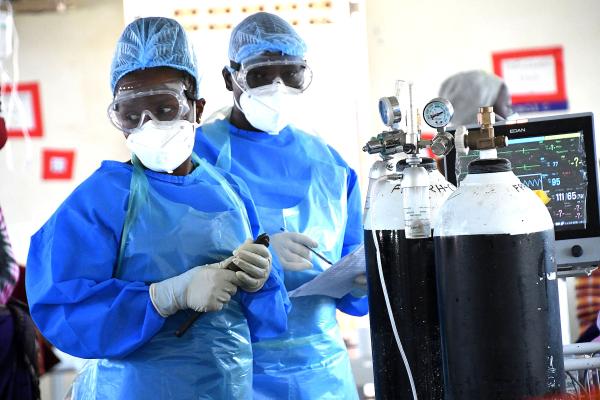
Covid-19 raises risk of long-term brain injury – Study
People who had COVID-19 are at higher risk for a host of brain injuries a year later compared with people who were never infected by the coronavirus, a finding that could affect millions of Americans, U.S. researchers reported on Thursday.
The year-long study, published in Nature Medicine, assessed brain health across 44 different disorders using medical records without patient identifiers from millions of U.S. veterans.
Brain and other neurological disorders occurred in 7% more of those who had been infected with COVID compared with a similar group of veterans who had never been infected.
That translates into roughly 6.6 million Americans who had brain impairments linked with their COVID infections, the team said.
“The results show the devastating long-term effects of COVID-19,” senior author Dr. Ziyad Al-Aly of Washington University School of Medicine said in a statement.
Al-Aly and colleagues at Washington University School of Medicine and the Veterans Affairs St. Louis Health Care System studied medical records from 154,000 U.S. veterans who had tested positive for COVID from March 1, 2020 to Jan. 15, 2021.
They compared these with records from 5.6 million patients who did not have COVID during the same time frame, and another group of 5.8 million people from the period just before the coronavirus arrived in the United States.
Al-Aly said prior studies looked at a narrower group of disorders, and were focused largely on hospitalized patients, whereas his study included both hospitalized and non-hospitalized patients.
Memory impairments, commonly referred to as brain fog, were the most common symptom. Compared with the control groups, people infected with COVID had a 77% higher risk of developing memory problems.
People infected with the virus also were 50% more likely to have an ischemic stroke, which is caused by blood clots, compared with the never infected group.
Those who had COVID were 80% more likely to have seizures, 43% more likely to have mental health issues, such as anxiety or depression, 35% more likely to have headaches and 42% more likely to suffer movement disorders, such as tremors, compared with the control groups.
Researchers said governments and health systems must devise plans for a post-COVID world.
“Given the colossal scale of the pandemic, meeting these challenges requires urgent and coordinated – but, so far, absent – global, national and regional response strategies,” Al-Aly said.
-
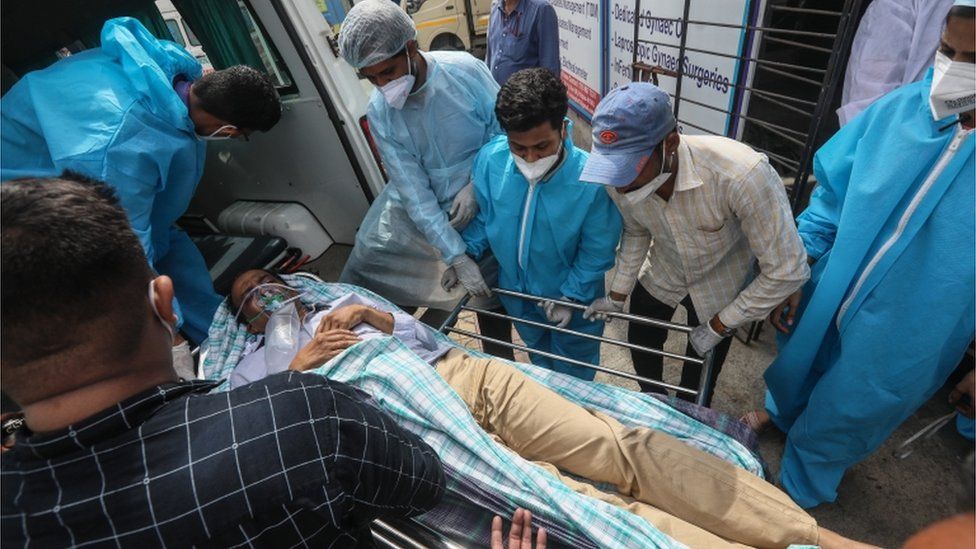
India logs 11,539 Covid-19 cases
India on Sunday recorded 11,539 fresh coronavirus infections that pushed its tally to 4,43,39,429, while the number of active cases came down to 99,879, according to Union health ministry data.
The toll due to Covid-19 climbed to 5,27,332 with 34 fatalities, including nine deaths reconciled by Kerala, the data updated at 8 am stated.
The active cases comprise 0.23 per cent of the total infections, while the national Covid-19 recovery rate stands at 98.59 per cent, the ministry said.
The daily positivity rate was recorded at 3.75 per cent and the weekly positivity rate at 3.88 per cent, the ministry said.
The number of people who have recuperated from the disease surged to 4,37,12,218, while the case fatality rate stands at 1.19 per cent, it said.
So far, 209.67 crore doses of Covid-19 vaccines have been administered under the nationwide vaccination drive, it added.
India’s Covid-19 tally had crossed the 20-lakh mark on August 7, 2020, 30 lakh on August 23, 40 lakh on September 5 and 50 lakh on September 16.
It went past 60 lakh on September 28, 70 lakh on October 11, crossed 80 lakh on October 29, 90 lakh on November 20 and surpassed the one-crore mark on December 19.
India crossed the grim milestone of two crore on May 4, three crore on June 23 last year and four crore on January 25 this year.
-
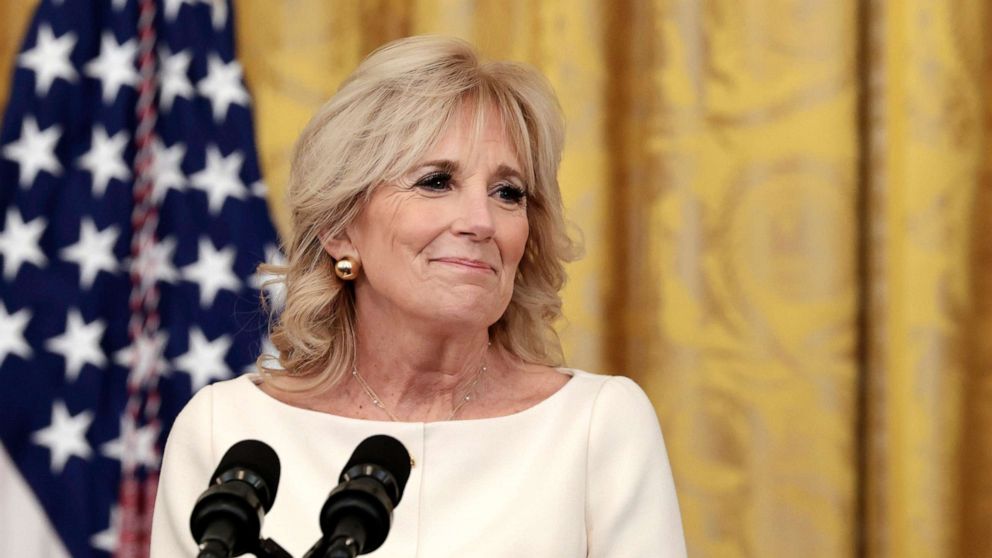
Jill Biden has ‘rebound’ COVID-19 case
First lady Jill Biden has tested positive for COVID-19 again in an apparent “rebound” case, after she tested negative for the virus over the weekend.
President Joe Biden, three days with his wife at their Rehoboth Beach, Delaware, vacation home, continues to test negative, the White House said. He also suffered a rebound case earlier this month after an initial recovery from the virus.
Jill Biden first tested positive for the virus on Aug. 15, when she and her husband were vacationing in Kiawah Island, South Carolina. She isolated in the beach town until she received two negative tests and was cleared to meet the president in Delaware on Sunday.
Biden’s deputy communications director Kelsey Donohue said she “has experienced no reemergence of symptoms, and will remain in Delaware where she has reinitiated isolation procedures.” She added: “The White House Medical Unit has conducted contact tracing and close contacts have been notified.”
Jill Biden, 71, like her husband, has been twice-vaccinated and twice-boosted with the Pfizer COVID-19 vaccine. She had been prescribed the antiviral drug Paxlovid, which has proven to be highly effective at preventing serious disease and death among those at highest risk from COVID-19, but a minority of those prescribed the drug have experienced a rebound case of the virus a few days after their initial recovery.
The White House said the president was considered a close contact, and would wear a mask “for 10 days when indoors and in close proximity to others” in accordance with Centers for Disease Control and Prevention guidance. The White House will also increase the frequency of his COVID-19 testing.
-
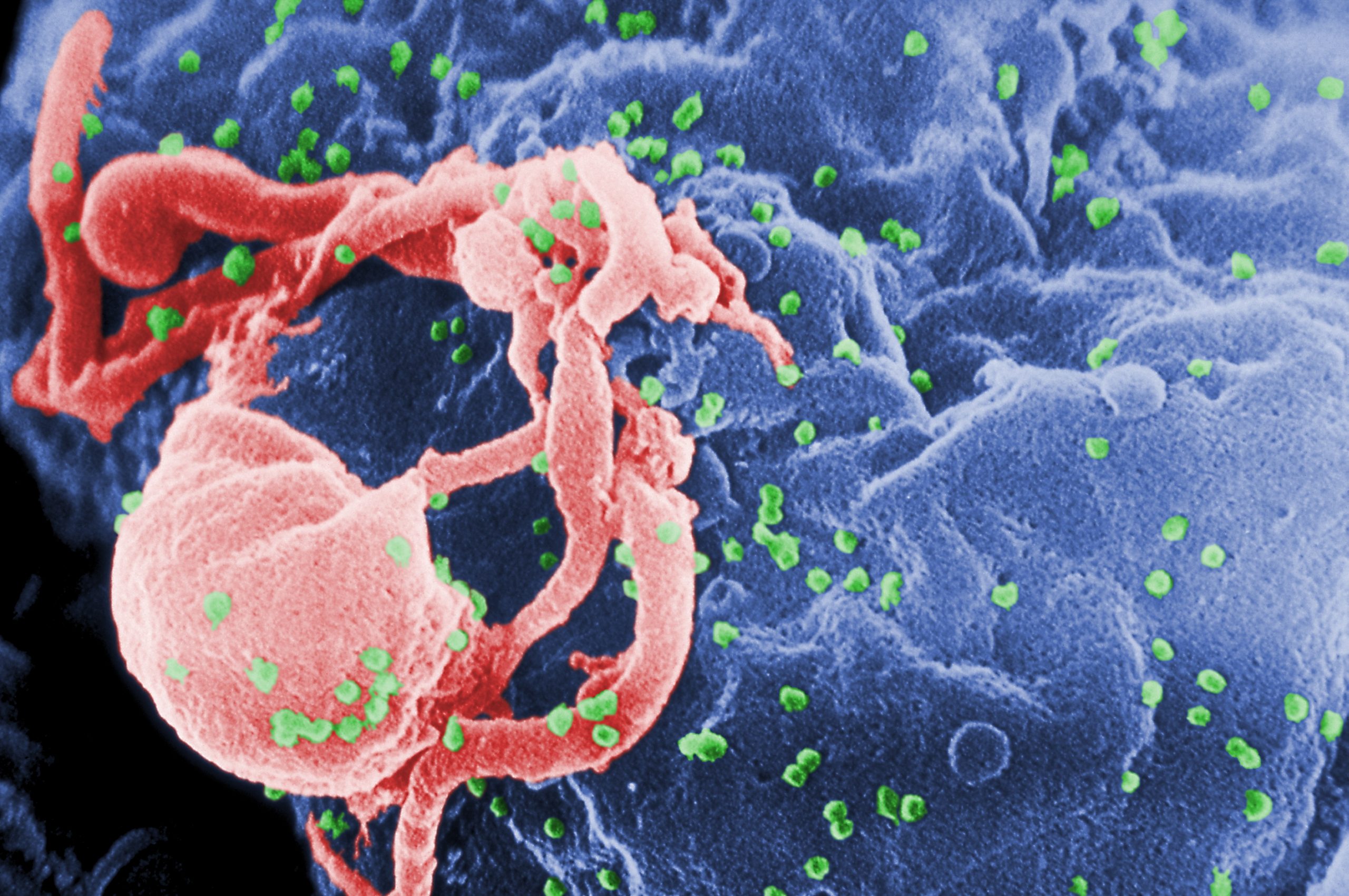
Patient with monkeypox, undiagnosed HIV, suffers rotting nose
In a bizarre case, a monkeypox patient’s nose began to rot after he was diagnosed with Human Immunodeficiency Virus (HIV), according to a report in Newsweek.
The case was reported from Germany when the 40-year-old man visited the doctor with a red spot on the tip of his nose.
It was initially dismissed as sunburn but the man’s condition later worsened after which tests were conducted and he was diagnosed with HIV due to which his nose had developed necrosis, the outlet further said.
The image of the man’s nose shocked medical practitioners across the world. His case has also been published in journal Infection. The identity of the man has not been revealed.
Three days after he visited the healthcare provider, the skin on the man’s nose started to die and turned black due to necrosis – the death of body tissue due to infection – Australia-based 7News said in a report. It left him with a huge, swollen scab, the outlet further said.
Soon, his entire body was filled with white pus-filled blisters.
The man was immediately asked to undergo a PCR test, which confirmed the monkeypox infection. Further tests revealed the man also had undiagnosed syphilis and HIV, said 7News.
The German was put on intense medication, which caused his lesions to dry out but his nose only “partially improved”, the outlet further said, quoting healthcare professionals.
In the journal, the doctors said that the man’s case became so severe because untreated HIV had left him immunocompromised, thereby putting him at risk of necrosis.
The health experts also acknowledged that this was a rare case.
“Most cases of (monkeypox) infection so far have been reported as mild, and controlled HIV infection does not appear to be a risk factor for severe courses.
However, this case illustrates the potential severity of (monkeypox) infection in the setting of severe immunosuppression and untreated HIV infection,” the doctors are quoted as saying in the research paper published in journal Infection.
The monkeypox virus usually spreads through close physical contact, including sexual contact, with an infected individual.
In July 2022, the World Health Organisation (WHO) declared monkeypox a global health emergency.
-
COVID-19 linked to brain disorders up to two years on from infection
People who have had COVID-19 face increased risks of neurological and psychiatric conditions like brain fog, psychosis, seizures and dementia up to two years after infection.
Driving the news: That’s according to a new large-scale University of Oxford study that also found anxiety and depression were more common after COVID, though typically subsided within two months of infection.
Why it matters: The study, published in the Lancet Psychiatry journal on Wednesday, is the “first to attempt to examine some of the heterogeneity of persistent neurological and psychiatric aspects of COVID-19 in a large dataset,” per an accompanying editorial.
- “The results have important implications for patients and health services as it suggests new cases of neurological conditions linked to COVID-19 infection are likely to occur for a considerable time after the pandemic has subsided,” said study lead author Paul Harrison, a professor of psychiatry, in a statement.
Flashback: A University of Oxford study last year found a third of COVID patients had experienced a psychiatric or neurological illness six months after infection.
By the numbers: For the latest study, researchers examined the risks of 14 different disorders in over 1.25 million patients, ranging from children to seniors who were mostly in the U.S., two years on from COVID infection.
- It compared this information with the electronic records of some 1.25 million people affected by other respiratory infections for the same period.
What they found: Adults who were 64 years old and younger who’d had the coronavirus were more at risk of brain fog (640 cases per 10,000 people) compared with those who’d had different respiratory infections (550 cases per 10,000 people).
- There were 1,540 cases of brain fog per 10,000 people in patients who were 65 years old and older who’d had COVID, compared with 1,230 cases per 10,000 for those with other respiratory infections.
Meanwhile, there were 450 cases of dementia per 10,000 people and 85 occurrences of psychotic disorders per 10,000 among patients over 65 post-COVID.
- For other respiratory infections in this age group there were 330 cases per 10,000 for dementia and 60 cases per 10,000 for psychotic disorders.
Worth noting: Researchers found children were twice as likely to develop epilepsy or seizures (260 in 10,000) within two years of a COVID infection, compared to those who’d had other respiratory infections (130 in 10,000).
- The risk of being diagnosed with a psychiatric disorder also increased, though occurrence was still rare — 18 in 10,000.
What they’re saying: Wes Ely, a Vanderbilt University School of Medicine professor who researches Long COVID, told STAT News the data showed the mood disorders and anxiety problems that are “prevalent in long COVID tended to resolve in a matter of months, which is great news” for the patients.
- Another notable finding was “the neurocognitive deficits that make people have brain fog, do not resolve so quickly,” added Ely, who is also associate director for research at the VA Tennessee Valley Geriatric Research and Education Clinical Center and was not involved in the study.
- “Clinically, in my own practice and in our long Covid clinic, this is exactly what we’re seeing: that the acquired dementia that these patients get tends to be lasting and very problematic.”
The bottom line, via Harrison: The findings highlight the need for more research to understand why such neurological conditions are occurring after COVID “and what can be done to prevent or treat these conditions.”