Category: World

WordPress is a favorite blogging tool of mine and I share tips and tricks for using WordPress here.

  • 8 Wonderful Benefits And Uses Of Carrots

    8 Wonderful Benefits And Uses Of Carrots

    Carrots are one of the most widely used and most important tubers in the world, also because they are relatively easy to grow, are widely used in various dishes and cultural cuisine, and have different colors, such as orange, purple and white. , Yellow and red.

    The main root of carrots is the most commonly consumed part of vegetables, although vegetables can still be used in salads and other forms.

    Nutritional Facts of Carrots

    Carrots are an excellent source of Vitamin A and Beta-carotene. Along with these nutrients, it is a good source of Vitamin C, Lutein, Zeaxanthin, Vitamin K, dietary fiber, etc.

    A seasonal vegetable provides very low calories per serving and hence a best friend of dieters. As per NIN, 100 gms of red carrot will provide 38 kcal, 6.7 g carbohydrates, 1 gm protein, 0.5 g of fat, 5 gm of total fiber, 7 mg of Vitamin C, 451 mcg Vitamin A, and 2706 mcg of beta carotene.

    Benefits of Carrots

    1. Help Promote Healthy Vision: 

    Vitamin A deficiency causes a disease called dry eye, which affects normal vision and causes night blindness. The antioxidants lutein and zeaxanthin in carrots can also improve eye health. These two natural compounds protect the retina and lens. The American Journal of Ophthalmology found that women who ate more than two servings of carrots a week had a 64% lower risk of glaucoma than women who did not eat one serving of carrots.

    2. Aids Weight Loss: 

    Carrots are the healthiest snack to munch on! Remember, bugs bunny or our very own – Karamchand – well it about time to follow their eating habit too. One cup of carrots gives a very minimal amount of calories but a bowlful of nutrients, and these nutrients can truly assist you to feel fuller longer and in turn, lower the quantity of energy you eat. If you’re trying to lose weight, strive to include a few carrots in your meal rotation.

    3. Improves Skin Health: 

    For those who wish to improve their diet through skin products, carrots are a wonderful snack. As we all know, they can treat acne, dermatitis, acne, rash, and other skin diseases. In addition to the antioxidant content, they also contain β-carotene. What plays a role in healing? Scars and spots on the skin. Eat more ingredients to get the full nutritional benefits.

    4. Helps Improve Immunity: 

    Vitamin C in carrots is important for immune system support and healing. The vitamin A in vegetables also supports the immune system and plays an important role in the formation and protection of mucous membranes, which act as barriers to keep germs out of the body.

    5. May Support Heart Health: 

    Studies have proven that consuming a weight loss plan rich in coloured veggies like carrots reduces the chance of growing coronary heart disease. A Dutch examination confirmed that consuming deep orange produce with the aid of using simply 25 g can lead to a 32% decrease chance of coronary heart disease. Carrots additionally assist in regulating blood pressure. The mineral, potassium, determined in carrots, allows in balancing sodium tiers and in expelling it from the body.

    6. Digestive Health

    Carrots are high in fibre and carotenoids, both of which are important for short term and long term digestive health. Carotenoids have been linked to colon cancer, making this one of the long term health benefits of carrots. Additionally, high-fibre diets have been shown to reduce the risk of colorectal cancer and improve gut health. Regular carrots can contain between 5%-7% of your daily fibre needs. 

    7. Diabetes Management

    Carrots have low amounts of natural sugars and when paired with their fibre content it gives this vegetable a low glycemic index. Low glycemic foods are less likely to set off a blood sugar spike, the lower the better for diabetic patients. In most cases, carrots are safe for diabetics to consume while providing a nice natural sweet taste that diabetics may miss. Low sugar, high-fibre foods like carrots may help in the prevention of Type II diabetes. For those who already have diabetes, the benefits of carrots can help in the management of blood sugar. 

    8. May Help Bones 

    While the calcium, phosphorus and vitamin K content of carrots isn’t extremely high, it still contributes to your body’s requirement of these nutrients. These three nutrients are essential for healthy bone growth, development and repair. Diets poor in these vitamins and minerals may cause a loss of bone density. Carrots can be part of a natural, healthy and balanced diet and contribute to your intake of calcium and other bone-health nutrients.

  • 10 Healthy Foods That Can Help You To Gain Weight

    10 Healthy Foods That Can Help You To Gain Weight

    Being underweight or skinny may have an underlying issue. Eating too few calories for a prolonged period makes you underweight that leads to different medical illnesses.

    Conversely, eating too many calories causes a person to become overweight, which is also a not good sign. 

    The weight gain equation is pretty much simple as you consume more calories than you burn. If your metabolism is high or you do vigorous exercise, you need to consume more calories to meet your body requirements.

    Simply overeating can’t be a solution to gain weight. However, eating five to six times a day, eating more protein and fat, adding high-calorie snacks are among the ways to gain weight naturally. 

    People consume various supplements and unhealthy food to gain weight quickly without proper research. These may land them into some medical problems, thus think twice before eating anything.

    Instead, eat healthy foods that build muscle and increase your strength. If you are trying to gain some weight, here are a few options for healthy foods that you should eat.

    How to Gain Weight In A Healthy Manner?

    As mentioned earlier, the main concept is to consume more calories than you use during your day. A rough estimate you can aim for is to take in 300 – 500 more calories than you need.

    Another general idea is to eat more meals each day, rather than increasing the size of your existing meals. Increasing the amounts of fats and protein in your diet is also almost a necessity when you’re trying to gain weight.

    One thing you should not do is consume unhealthy fats and junk foods in an effort to put on weight. These kinds of foods will result in weight only on your tummy and can cause serious long term issues down the road like diabetes, obesity and heart issues.

    It is also a good idea to incorporate regular (but not intensive) exercise into your daily routine, this can help build up your muscle mass.

    1: Milk

    Milk is a complete food because it is rich in all nutrients that are essential for our body. It is high in proteins, calcium, carbs, fats, minerals, and vitamins. It is an excellent protein source that provides both casein and whey proteins. It can help you add muscle mass to your body. Try drinking two glasses of milk per day with a meal or before or after a workout. 

    2: Rice 

    Rice is one of the convenient and cheap sources of carbohydrates that is essential to gain weight. Rice is also a calorie-dense food that means you can obtain carbs and calories from a single serving. One cup of rice provides about 200 calories that contribute to gain weight. 

    You can have rice with different curries and veggies that are high in proteins. It is the easiest way to add taste, calories, and a protein boost.

    3: Dried fruits

    Consuming dried fruits can be beneficial for weight gain. This super-food contains various antioxidants, proteins, calories, and micronutrients. All types of dried fruit have a naturally high sugar content that makes them great for gaining weight. You can eat them raw or roasted as well as can add them in yoghurt, smoothie. A daily handful of dried fruits such as almonds, walnuts, and cashew are best for weight gain. 

    4: Homemade protein smoothies 

    Homemade smoothies are much healthier than ready-made protein supplements. A shake is most effective at helping to build muscle if drunk shortly after a workout. They are also rich in flavour and taste. Here are some examples of homemade smoothies that can help gain weight quickly, such as chocolate banana nut shake, vanilla berry shake, chocolate hazelnut shake, and super green shake.

    5: Red meat 

    Red meat is a rich source of protein that helps to build your muscles and increase your weight. It contains leucine and creatine, nutrients that play a significant role in boosting muscle mass. Steak and other red meats contain both protein and fat, which promote weight gain. Both fatty and lean muscles provide proteins that can help you to gain weight. One of the best sources is fat beef dishes – brisket.

    6: Fatty and oily fish 

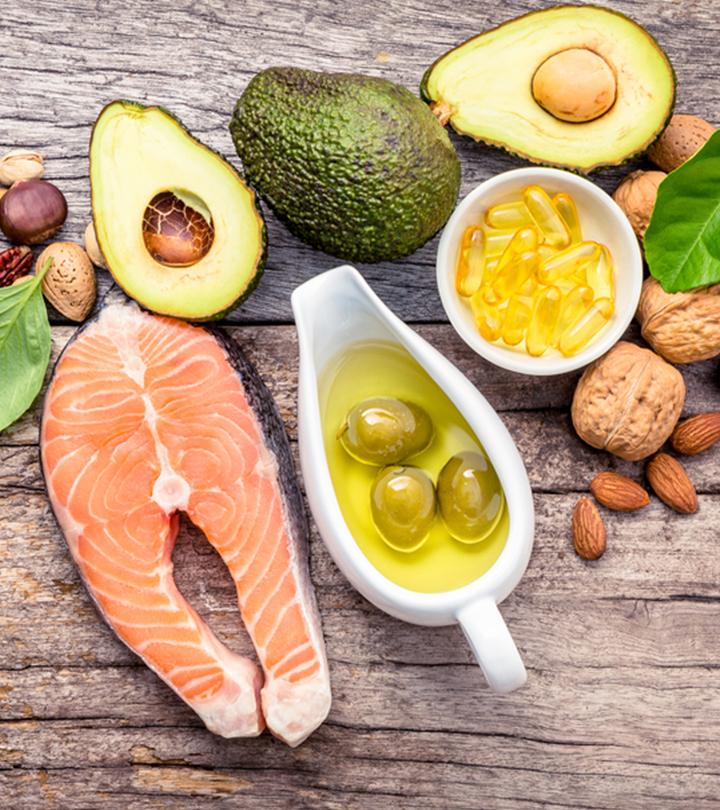
    Fatty fish such as salmon is rich in essential fatty acids and proteins. They help to gain weight and also boost your immunity. Omega-3 present in these fishes is the best source that is significant for weight gain. You can prepare different dishes from salmon like steamed fish, fried fish, and smoked salmon. 

    7: Potatoes and starch 

    Starch foods such as potatoes and corn are a famous, tasty option for quick weight gain. It is a cost-effective option that provides extra calories for your body. This food contains carbs and calories that increase muscle glycogen stores. Many of these starchy foods have carb sources that also provide essential nutrients and fibre, as well as resistant starch, which can help nourish your gut bacteria.

    8: Whole grain bread 

    The simple whole grain bread is a good source of carbs that will increase your weight. They can be a well-balanced meal when prepared with protein sources like eggs, meat, and cheese. The live, good bacteria in sourdough feed bacteria in the gut that can strengthen your immune system.

    9: Avocados

    Avocados are an excellent source of fats, antioxidants, vitamins, and fibres. You can eat avocado in your main meal, sandwiches, and other dishes that are essential for weight gain.

    10: Whole eggs 

    Whole eggs are the best option for your dietician for weight gain as they are full of proteins, calcium, and healthy fats. They are muscle building food that is available easily. It is necessary to eat the whole egg, its egg yolk is very beneficial. 

    There are many foods and supplements available that help you to gain weight. But, instead of trying to gorge yourself with masses of sweet or fatty foods, choose high-calorie foods that provide energy and build muscle mass without all of the unhealthy fats that can cause you harm.

    11: Healthy fats and oils 

    Healthy oils are extremely calorie dense and do not come with the downsides of other unhealthy oils. You can add these oils to salad dressing, as a seasoning base or for cooking. Avocado oil, Extra Virgin Olive oil and Coconut oil are three healthy oils that can help increase your calorie intake. Another method to incorporate healthy oil into your diet is to add one of these oils with a small amount of butter to your morning coffee. It’s trendy, yummy and healthy! 

  • Killing Floor 2 New Sharpshooter Class Detailed

    Killing Floor 2 New Sharpshooter Class Detailed


    [padding top=”0″ bottom=”0″ right=”5%” left=”5%”]

    The mission of the Advanced Liver Diseases Study Group is to become the premier epidemiology, clinical, translational research, and treatment center for advanced liver diseases, cirrhosis, and portal hypertension in the world. Additionally, the mission is to mentor and educate clinician investigators in the field of hepatology.

    Please Take Attention, This is just a Dummy Content, Not a real facts about Medicine.

    The group is part of the Hepatic Vascular Cell Signaling Lab and Hepatocellular Carcinoma Lab programs as a major initiative involves collaboration with scientists to establish translational research.The activities of the Advanced Liver Diseases Study Group span from population-based research that utilizes the extensive resources of the Rochester Epidemiology Project to vascular endothelial pathophysiology. Additional research areas include the development of novel diagnostic tools, the conduct of therapeutic clinical trials, and health services research including economic analysis and health-related quality of life assessment.[/padding]

    [tie_full_img][/tie_full_img]

    [padding top=”0″ bottom=”0″ right=”5%” left=”5%”]

    Carcinoma Lab programs

    1. Understand the molecular and physiological mechanisms involved in cirrhosis and portal hypertension.
    2. Understand the mechanisms that underlie cirrhosis and portal hypertension by integrating basic science and clinical research programs.
    3. Develop and validate non-invasive diagnostic tools to evaluate and quantitate severity of liver fibrosis and portal hypertension.
    4. Develop and test new treatment options for patients with cirrhosis, esophageal varices, ascites, hepatic encephalopathy, hepatocellular carcinoma, hepatorenal syndrome, hepatopulmonary syndrome, portopulmonary hypertension, alcoholic hepatitis, acute liver failure, Budd-Chiari syndrome, hereditary hemorrhagic telangiectasia, and polycystic liver disease.
    5. Educate gastroenterology trainees, surgical trainees and postdoctoral fellows in the field of hepatology.
    6. Educate patients, practicing physicians, and investigators on advanced liver disease including cirrhosis and portal hypertension.

    [/padding]

    [padding top=”0″ bottom=”0″ right=”5%” left=”5%”]

    It is with truly mixed emotions that I announce the departure of Philip E. BournePhilip E. Bourne

    It is with truly mixed emotions that I announce the departure of Philip E. Bourne, Ph.D., who will be leaving his post as NIH’s first Associate Director for Data Science to become the Stephenson Chair of Data Science, Director of the Data Science Institute, and Professor in the Department of Biomedical Engineering at the University of Virginia, Charlottesville.  I am happy for Phil to have this exceptional opportunity, and know that UVA will be well served by his depth of knowledge in data science.  At the same time, I am saddened that NIH will be losing his prowess and passion for tackling the opportunities and challenges of our increasingly data-driven biomedical research enterprise.

    The group is part of the Hepatic Vascul

    Phil will remain at NIH through April 30, 2017, and National Library of Medicine Director Patricia Flatley Brennan, R.N., Ph.D., will serve as Interim Associate Director for Data Science until a new appointment is made.

    The group is part of the Hepatic Vascular Cell Signaling Lab and Hepatocellular Carcinoma Lab programs as a major initiative involves collaboration with scientists to establish translational research.The activities of the Advanced Liver Diseases Study Group span from population-based research that utilizes the extensive resources of the Rochester Epidemiology Project to vascular endothelial pathophysiology.

    The mission of the Advanced Liver Diseases Study Group is to become the premier epidemiology, clinical, translational research, and treatment center for advanced liver diseases, cirrhosis, and portal hypertension in the world.

    [/padding]

  • Quinoa new recipes, feta & broad bean salad

    Quinoa new recipes, feta & broad bean salad


    [padding top=”0″ bottom=”0″ right=”5%” left=”5%”]

    The mission of the Advanced Liver Diseases Study Group is to become the premier epidemiology, clinical, translational research, and treatment center for advanced liver diseases, cirrhosis, and portal hypertension in the world. Additionally, the mission is to mentor and educate clinician investigators in the field of hepatology.

    Please Take Attention, This is just a Dummy Content, Not a real facts about Medicine.

    The group is part of the Hepatic Vascular Cell Signaling Lab and Hepatocellular Carcinoma Lab programs as a major initiative involves collaboration with scientists to establish translational research.The activities of the Advanced Liver Diseases Study Group span from population-based research that utilizes the extensive resources of the Rochester Epidemiology Project to vascular endothelial pathophysiology. Additional research areas include the development of novel diagnostic tools, the conduct of therapeutic clinical trials, and health services research including economic analysis and health-related quality of life assessment.[/padding]

    [tie_full_img][/tie_full_img]

    [padding top=”0″ bottom=”0″ right=”5%” left=”5%”]

    Carcinoma Lab programs

    1. Understand the molecular and physiological mechanisms involved in cirrhosis and portal hypertension.
    2. Understand the mechanisms that underlie cirrhosis and portal hypertension by integrating basic science and clinical research programs.
    3. Develop and validate non-invasive diagnostic tools to evaluate and quantitate severity of liver fibrosis and portal hypertension.
    4. Develop and test new treatment options for patients with cirrhosis, esophageal varices, ascites, hepatic encephalopathy, hepatocellular carcinoma, hepatorenal syndrome, hepatopulmonary syndrome, portopulmonary hypertension, alcoholic hepatitis, acute liver failure, Budd-Chiari syndrome, hereditary hemorrhagic telangiectasia, and polycystic liver disease.
    5. Educate gastroenterology trainees, surgical trainees and postdoctoral fellows in the field of hepatology.
    6. Educate patients, practicing physicians, and investigators on advanced liver disease including cirrhosis and portal hypertension.

    [/padding]

    [padding top=”0″ bottom=”0″ right=”5%” left=”5%”]

    It is with truly mixed emotions that I announce the departure of Philip E. BournePhilip E. Bourne

    It is with truly mixed emotions that I announce the departure of Philip E. Bourne, Ph.D., who will be leaving his post as NIH’s first Associate Director for Data Science to become the Stephenson Chair of Data Science, Director of the Data Science Institute, and Professor in the Department of Biomedical Engineering at the University of Virginia, Charlottesville.  I am happy for Phil to have this exceptional opportunity, and know that UVA will be well served by his depth of knowledge in data science.  At the same time, I am saddened that NIH will be losing his prowess and passion for tackling the opportunities and challenges of our increasingly data-driven biomedical research enterprise.

    The group is part of the Hepatic Vascul

    Phil will remain at NIH through April 30, 2017, and National Library of Medicine Director Patricia Flatley Brennan, R.N., Ph.D., will serve as Interim Associate Director for Data Science until a new appointment is made.

    The group is part of the Hepatic Vascular Cell Signaling Lab and Hepatocellular Carcinoma Lab programs as a major initiative involves collaboration with scientists to establish translational research.The activities of the Advanced Liver Diseases Study Group span from population-based research that utilizes the extensive resources of the Rochester Epidemiology Project to vascular endothelial pathophysiology.

    The mission of the Advanced Liver Diseases Study Group is to become the premier epidemiology, clinical, translational research, and treatment center for advanced liver diseases, cirrhosis, and portal hypertension in the world.

    [/padding]

  • Getting There is Half the FUN!

    Getting There is Half the FUN!


    [padding top=”0″ bottom=”0″ right=”5%” left=”5%”]

    The mission of the Advanced Liver Diseases Study Group is to become the premier epidemiology, clinical, translational research, and treatment center for advanced liver diseases, cirrhosis, and portal hypertension in the world. Additionally, the mission is to mentor and educate clinician investigators in the field of hepatology.

    Please Take Attention, This is just a Dummy Content, Not a real facts about Medicine.

    The group is part of the Hepatic Vascular Cell Signaling Lab and Hepatocellular Carcinoma Lab programs as a major initiative involves collaboration with scientists to establish translational research.The activities of the Advanced Liver Diseases Study Group span from population-based research that utilizes the extensive resources of the Rochester Epidemiology Project to vascular endothelial pathophysiology. Additional research areas include the development of novel diagnostic tools, the conduct of therapeutic clinical trials, and health services research including economic analysis and health-related quality of life assessment.[/padding]

    [tie_full_img][/tie_full_img]

    [padding top=”0″ bottom=”0″ right=”5%” left=”5%”]

    Carcinoma Lab programs

    1. Understand the molecular and physiological mechanisms involved in cirrhosis and portal hypertension.
    2. Understand the mechanisms that underlie cirrhosis and portal hypertension by integrating basic science and clinical research programs.
    3. Develop and validate non-invasive diagnostic tools to evaluate and quantitate severity of liver fibrosis and portal hypertension.
    4. Develop and test new treatment options for patients with cirrhosis, esophageal varices, ascites, hepatic encephalopathy, hepatocellular carcinoma, hepatorenal syndrome, hepatopulmonary syndrome, portopulmonary hypertension, alcoholic hepatitis, acute liver failure, Budd-Chiari syndrome, hereditary hemorrhagic telangiectasia, and polycystic liver disease.
    5. Educate gastroenterology trainees, surgical trainees and postdoctoral fellows in the field of hepatology.
    6. Educate patients, practicing physicians, and investigators on advanced liver disease including cirrhosis and portal hypertension.

    [/padding]

    [padding top=”0″ bottom=”0″ right=”5%” left=”5%”]

    It is with truly mixed emotions that I announce the departure of Philip E. BournePhilip E. Bourne

    It is with truly mixed emotions that I announce the departure of Philip E. Bourne, Ph.D., who will be leaving his post as NIH’s first Associate Director for Data Science to become the Stephenson Chair of Data Science, Director of the Data Science Institute, and Professor in the Department of Biomedical Engineering at the University of Virginia, Charlottesville.  I am happy for Phil to have this exceptional opportunity, and know that UVA will be well served by his depth of knowledge in data science.  At the same time, I am saddened that NIH will be losing his prowess and passion for tackling the opportunities and challenges of our increasingly data-driven biomedical research enterprise.

    The group is part of the Hepatic Vascul

    Phil will remain at NIH through April 30, 2017, and National Library of Medicine Director Patricia Flatley Brennan, R.N., Ph.D., will serve as Interim Associate Director for Data Science until a new appointment is made.

    The group is part of the Hepatic Vascular Cell Signaling Lab and Hepatocellular Carcinoma Lab programs as a major initiative involves collaboration with scientists to establish translational research.The activities of the Advanced Liver Diseases Study Group span from population-based research that utilizes the extensive resources of the Rochester Epidemiology Project to vascular endothelial pathophysiology.

    The mission of the Advanced Liver Diseases Study Group is to become the premier epidemiology, clinical, translational research, and treatment center for advanced liver diseases, cirrhosis, and portal hypertension in the world.

    [/padding]

  • Cooking with kids – how to get them involved

    Cooking with kids – how to get them involved


    [padding top=”0″ bottom=”0″ right=”5%” left=”5%”]

    The mission of the Advanced Liver Diseases Study Group is to become the premier epidemiology, clinical, translational research, and treatment center for advanced liver diseases, cirrhosis, and portal hypertension in the world. Additionally, the mission is to mentor and educate clinician investigators in the field of hepatology.

    Please Take Attention, This is just a Dummy Content, Not a real facts about Medicine.

    The group is part of the Hepatic Vascular Cell Signaling Lab and Hepatocellular Carcinoma Lab programs as a major initiative involves collaboration with scientists to establish translational research.The activities of the Advanced Liver Diseases Study Group span from population-based research that utilizes the extensive resources of the Rochester Epidemiology Project to vascular endothelial pathophysiology. Additional research areas include the development of novel diagnostic tools, the conduct of therapeutic clinical trials, and health services research including economic analysis and health-related quality of life assessment.[/padding]

    [tie_full_img][/tie_full_img]

    [padding top=”0″ bottom=”0″ right=”5%” left=”5%”]

    Carcinoma Lab programs

    1. Understand the molecular and physiological mechanisms involved in cirrhosis and portal hypertension.
    2. Understand the mechanisms that underlie cirrhosis and portal hypertension by integrating basic science and clinical research programs.
    3. Develop and validate non-invasive diagnostic tools to evaluate and quantitate severity of liver fibrosis and portal hypertension.
    4. Develop and test new treatment options for patients with cirrhosis, esophageal varices, ascites, hepatic encephalopathy, hepatocellular carcinoma, hepatorenal syndrome, hepatopulmonary syndrome, portopulmonary hypertension, alcoholic hepatitis, acute liver failure, Budd-Chiari syndrome, hereditary hemorrhagic telangiectasia, and polycystic liver disease.
    5. Educate gastroenterology trainees, surgical trainees and postdoctoral fellows in the field of hepatology.
    6. Educate patients, practicing physicians, and investigators on advanced liver disease including cirrhosis and portal hypertension.

    [/padding]

    [padding top=”0″ bottom=”0″ right=”5%” left=”5%”]

    It is with truly mixed emotions that I announce the departure of Philip E. BournePhilip E. Bourne

    It is with truly mixed emotions that I announce the departure of Philip E. Bourne, Ph.D., who will be leaving his post as NIH’s first Associate Director for Data Science to become the Stephenson Chair of Data Science, Director of the Data Science Institute, and Professor in the Department of Biomedical Engineering at the University of Virginia, Charlottesville.  I am happy for Phil to have this exceptional opportunity, and know that UVA will be well served by his depth of knowledge in data science.  At the same time, I am saddened that NIH will be losing his prowess and passion for tackling the opportunities and challenges of our increasingly data-driven biomedical research enterprise.

    The group is part of the Hepatic Vascul

    Phil will remain at NIH through April 30, 2017, and National Library of Medicine Director Patricia Flatley Brennan, R.N., Ph.D., will serve as Interim Associate Director for Data Science until a new appointment is made.

    The group is part of the Hepatic Vascular Cell Signaling Lab and Hepatocellular Carcinoma Lab programs as a major initiative involves collaboration with scientists to establish translational research.The activities of the Advanced Liver Diseases Study Group span from population-based research that utilizes the extensive resources of the Rochester Epidemiology Project to vascular endothelial pathophysiology.

    The mission of the Advanced Liver Diseases Study Group is to become the premier epidemiology, clinical, translational research, and treatment center for advanced liver diseases, cirrhosis, and portal hypertension in the world.

    [/padding]

  • Goa Tourism Appealing Visitors From Across the Globe

    Goa Tourism Appealing Visitors From Across the Globe


    [padding top=”0″ bottom=”0″ right=”5%” left=”5%”]

    The mission of the Advanced Liver Diseases Study Group is to become the premier epidemiology, clinical, translational research, and treatment center for advanced liver diseases, cirrhosis, and portal hypertension in the world. Additionally, the mission is to mentor and educate clinician investigators in the field of hepatology.

    Please Take Attention, This is just a Dummy Content, Not a real facts about Medicine.

    The group is part of the Hepatic Vascular Cell Signaling Lab and Hepatocellular Carcinoma Lab programs as a major initiative involves collaboration with scientists to establish translational research.The activities of the Advanced Liver Diseases Study Group span from population-based research that utilizes the extensive resources of the Rochester Epidemiology Project to vascular endothelial pathophysiology. Additional research areas include the development of novel diagnostic tools, the conduct of therapeutic clinical trials, and health services research including economic analysis and health-related quality of life assessment.[/padding]

    [tie_full_img][/tie_full_img]

    [padding top=”0″ bottom=”0″ right=”5%” left=”5%”]

    Carcinoma Lab programs

    1. Understand the molecular and physiological mechanisms involved in cirrhosis and portal hypertension.
    2. Understand the mechanisms that underlie cirrhosis and portal hypertension by integrating basic science and clinical research programs.
    3. Develop and validate non-invasive diagnostic tools to evaluate and quantitate severity of liver fibrosis and portal hypertension.
    4. Develop and test new treatment options for patients with cirrhosis, esophageal varices, ascites, hepatic encephalopathy, hepatocellular carcinoma, hepatorenal syndrome, hepatopulmonary syndrome, portopulmonary hypertension, alcoholic hepatitis, acute liver failure, Budd-Chiari syndrome, hereditary hemorrhagic telangiectasia, and polycystic liver disease.
    5. Educate gastroenterology trainees, surgical trainees and postdoctoral fellows in the field of hepatology.
    6. Educate patients, practicing physicians, and investigators on advanced liver disease including cirrhosis and portal hypertension.

    [/padding]

    [padding top=”0″ bottom=”0″ right=”5%” left=”5%”]

    It is with truly mixed emotions that I announce the departure of Philip E. BournePhilip E. Bourne

    It is with truly mixed emotions that I announce the departure of Philip E. Bourne, Ph.D., who will be leaving his post as NIH’s first Associate Director for Data Science to become the Stephenson Chair of Data Science, Director of the Data Science Institute, and Professor in the Department of Biomedical Engineering at the University of Virginia, Charlottesville.  I am happy for Phil to have this exceptional opportunity, and know that UVA will be well served by his depth of knowledge in data science.  At the same time, I am saddened that NIH will be losing his prowess and passion for tackling the opportunities and challenges of our increasingly data-driven biomedical research enterprise.

    The group is part of the Hepatic Vascul

    Phil will remain at NIH through April 30, 2017, and National Library of Medicine Director Patricia Flatley Brennan, R.N., Ph.D., will serve as Interim Associate Director for Data Science until a new appointment is made.

    The group is part of the Hepatic Vascular Cell Signaling Lab and Hepatocellular Carcinoma Lab programs as a major initiative involves collaboration with scientists to establish translational research.The activities of the Advanced Liver Diseases Study Group span from population-based research that utilizes the extensive resources of the Rochester Epidemiology Project to vascular endothelial pathophysiology.

    The mission of the Advanced Liver Diseases Study Group is to become the premier epidemiology, clinical, translational research, and treatment center for advanced liver diseases, cirrhosis, and portal hypertension in the world.

    [/padding]

  • 6 Ways Drinking Warm Water Can Heal Your Body

    6 Ways Drinking Warm Water Can Heal Your Body


    [padding top=”0″ bottom=”0″ right=”5%” left=”5%”]

    The mission of the Advanced Liver Diseases Study Group is to become the premier epidemiology, clinical, translational research, and treatment center for advanced liver diseases, cirrhosis, and portal hypertension in the world. Additionally, the mission is to mentor and educate clinician investigators in the field of hepatology.

    Please Take Attention, This is just a Dummy Content, Not a real facts about Medicine.

    The group is part of the Hepatic Vascular Cell Signaling Lab and Hepatocellular Carcinoma Lab programs as a major initiative involves collaboration with scientists to establish translational research.The activities of the Advanced Liver Diseases Study Group span from population-based research that utilizes the extensive resources of the Rochester Epidemiology Project to vascular endothelial pathophysiology. Additional research areas include the development of novel diagnostic tools, the conduct of therapeutic clinical trials, and health services research including economic analysis and health-related quality of life assessment.[/padding]

    [tie_full_img][/tie_full_img]

    [padding top=”0″ bottom=”0″ right=”5%” left=”5%”]

    Carcinoma Lab programs

    1. Understand the molecular and physiological mechanisms involved in cirrhosis and portal hypertension.
    2. Understand the mechanisms that underlie cirrhosis and portal hypertension by integrating basic science and clinical research programs.
    3. Develop and validate non-invasive diagnostic tools to evaluate and quantitate severity of liver fibrosis and portal hypertension.
    4. Develop and test new treatment options for patients with cirrhosis, esophageal varices, ascites, hepatic encephalopathy, hepatocellular carcinoma, hepatorenal syndrome, hepatopulmonary syndrome, portopulmonary hypertension, alcoholic hepatitis, acute liver failure, Budd-Chiari syndrome, hereditary hemorrhagic telangiectasia, and polycystic liver disease.
    5. Educate gastroenterology trainees, surgical trainees and postdoctoral fellows in the field of hepatology.
    6. Educate patients, practicing physicians, and investigators on advanced liver disease including cirrhosis and portal hypertension.

    [/padding]

    [padding top=”0″ bottom=”0″ right=”5%” left=”5%”]

    It is with truly mixed emotions that I announce the departure of Philip E. BournePhilip E. Bourne

    It is with truly mixed emotions that I announce the departure of Philip E. Bourne, Ph.D., who will be leaving his post as NIH’s first Associate Director for Data Science to become the Stephenson Chair of Data Science, Director of the Data Science Institute, and Professor in the Department of Biomedical Engineering at the University of Virginia, Charlottesville.  I am happy for Phil to have this exceptional opportunity, and know that UVA will be well served by his depth of knowledge in data science.  At the same time, I am saddened that NIH will be losing his prowess and passion for tackling the opportunities and challenges of our increasingly data-driven biomedical research enterprise.

    The group is part of the Hepatic Vascul

    Phil will remain at NIH through April 30, 2017, and National Library of Medicine Director Patricia Flatley Brennan, R.N., Ph.D., will serve as Interim Associate Director for Data Science until a new appointment is made.

    The group is part of the Hepatic Vascular Cell Signaling Lab and Hepatocellular Carcinoma Lab programs as a major initiative involves collaboration with scientists to establish translational research.The activities of the Advanced Liver Diseases Study Group span from population-based research that utilizes the extensive resources of the Rochester Epidemiology Project to vascular endothelial pathophysiology.

    The mission of the Advanced Liver Diseases Study Group is to become the premier epidemiology, clinical, translational research, and treatment center for advanced liver diseases, cirrhosis, and portal hypertension in the world.

    [/padding]

  • Fontainebleau A Forgotten Treasure

    Fontainebleau A Forgotten Treasure


    [padding top=”0″ bottom=”0″ right=”5%” left=”5%”]

    The mission of the Advanced Liver Diseases Study Group is to become the premier epidemiology, clinical, translational research, and treatment center for advanced liver diseases, cirrhosis, and portal hypertension in the world. Additionally, the mission is to mentor and educate clinician investigators in the field of hepatology.

    Please Take Attention, This is just a Dummy Content, Not a real facts about Medicine.

    The group is part of the Hepatic Vascular Cell Signaling Lab and Hepatocellular Carcinoma Lab programs as a major initiative involves collaboration with scientists to establish translational research.The activities of the Advanced Liver Diseases Study Group span from population-based research that utilizes the extensive resources of the Rochester Epidemiology Project to vascular endothelial pathophysiology. Additional research areas include the development of novel diagnostic tools, the conduct of therapeutic clinical trials, and health services research including economic analysis and health-related quality of life assessment.[/padding]

    [tie_full_img][/tie_full_img]

    [padding top=”0″ bottom=”0″ right=”5%” left=”5%”]

    Carcinoma Lab programs

    1. Understand the molecular and physiological mechanisms involved in cirrhosis and portal hypertension.
    2. Understand the mechanisms that underlie cirrhosis and portal hypertension by integrating basic science and clinical research programs.
    3. Develop and validate non-invasive diagnostic tools to evaluate and quantitate severity of liver fibrosis and portal hypertension.
    4. Develop and test new treatment options for patients with cirrhosis, esophageal varices, ascites, hepatic encephalopathy, hepatocellular carcinoma, hepatorenal syndrome, hepatopulmonary syndrome, portopulmonary hypertension, alcoholic hepatitis, acute liver failure, Budd-Chiari syndrome, hereditary hemorrhagic telangiectasia, and polycystic liver disease.
    5. Educate gastroenterology trainees, surgical trainees and postdoctoral fellows in the field of hepatology.
    6. Educate patients, practicing physicians, and investigators on advanced liver disease including cirrhosis and portal hypertension.

    [/padding]

    [padding top=”0″ bottom=”0″ right=”5%” left=”5%”]

    It is with truly mixed emotions that I announce the departure of Philip E. BournePhilip E. Bourne

    It is with truly mixed emotions that I announce the departure of Philip E. Bourne, Ph.D., who will be leaving his post as NIH’s first Associate Director for Data Science to become the Stephenson Chair of Data Science, Director of the Data Science Institute, and Professor in the Department of Biomedical Engineering at the University of Virginia, Charlottesville.  I am happy for Phil to have this exceptional opportunity, and know that UVA will be well served by his depth of knowledge in data science.  At the same time, I am saddened that NIH will be losing his prowess and passion for tackling the opportunities and challenges of our increasingly data-driven biomedical research enterprise.

    The group is part of the Hepatic Vascul

    Phil will remain at NIH through April 30, 2017, and National Library of Medicine Director Patricia Flatley Brennan, R.N., Ph.D., will serve as Interim Associate Director for Data Science until a new appointment is made.

    The group is part of the Hepatic Vascular Cell Signaling Lab and Hepatocellular Carcinoma Lab programs as a major initiative involves collaboration with scientists to establish translational research.The activities of the Advanced Liver Diseases Study Group span from population-based research that utilizes the extensive resources of the Rochester Epidemiology Project to vascular endothelial pathophysiology.

    The mission of the Advanced Liver Diseases Study Group is to become the premier epidemiology, clinical, translational research, and treatment center for advanced liver diseases, cirrhosis, and portal hypertension in the world.

    [/padding]

  • Ice Cream Maker Free Chocolate

    Ice Cream Maker Free Chocolate


    [padding top=”0″ bottom=”0″ right=”5%” left=”5%”]

    The mission of the Advanced Liver Diseases Study Group is to become the premier epidemiology, clinical, translational research, and treatment center for advanced liver diseases, cirrhosis, and portal hypertension in the world. Additionally, the mission is to mentor and educate clinician investigators in the field of hepatology.

    Please Take Attention, This is just a Dummy Content, Not a real facts about Medicine.

    The group is part of the Hepatic Vascular Cell Signaling Lab and Hepatocellular Carcinoma Lab programs as a major initiative involves collaboration with scientists to establish translational research.The activities of the Advanced Liver Diseases Study Group span from population-based research that utilizes the extensive resources of the Rochester Epidemiology Project to vascular endothelial pathophysiology. Additional research areas include the development of novel diagnostic tools, the conduct of therapeutic clinical trials, and health services research including economic analysis and health-related quality of life assessment.[/padding]

    [tie_full_img][/tie_full_img]

    [padding top=”0″ bottom=”0″ right=”5%” left=”5%”]

    Carcinoma Lab programs

    1. Understand the molecular and physiological mechanisms involved in cirrhosis and portal hypertension.
    2. Understand the mechanisms that underlie cirrhosis and portal hypertension by integrating basic science and clinical research programs.
    3. Develop and validate non-invasive diagnostic tools to evaluate and quantitate severity of liver fibrosis and portal hypertension.
    4. Develop and test new treatment options for patients with cirrhosis, esophageal varices, ascites, hepatic encephalopathy, hepatocellular carcinoma, hepatorenal syndrome, hepatopulmonary syndrome, portopulmonary hypertension, alcoholic hepatitis, acute liver failure, Budd-Chiari syndrome, hereditary hemorrhagic telangiectasia, and polycystic liver disease.
    5. Educate gastroenterology trainees, surgical trainees and postdoctoral fellows in the field of hepatology.
    6. Educate patients, practicing physicians, and investigators on advanced liver disease including cirrhosis and portal hypertension.

    [/padding]

    [padding top=”0″ bottom=”0″ right=”5%” left=”5%”]

    It is with truly mixed emotions that I announce the departure of Philip E. BournePhilip E. Bourne

    It is with truly mixed emotions that I announce the departure of Philip E. Bourne, Ph.D., who will be leaving his post as NIH’s first Associate Director for Data Science to become the Stephenson Chair of Data Science, Director of the Data Science Institute, and Professor in the Department of Biomedical Engineering at the University of Virginia, Charlottesville.  I am happy for Phil to have this exceptional opportunity, and know that UVA will be well served by his depth of knowledge in data science.  At the same time, I am saddened that NIH will be losing his prowess and passion for tackling the opportunities and challenges of our increasingly data-driven biomedical research enterprise.

    The group is part of the Hepatic Vascul

    Phil will remain at NIH through April 30, 2017, and National Library of Medicine Director Patricia Flatley Brennan, R.N., Ph.D., will serve as Interim Associate Director for Data Science until a new appointment is made.

    The group is part of the Hepatic Vascular Cell Signaling Lab and Hepatocellular Carcinoma Lab programs as a major initiative involves collaboration with scientists to establish translational research.The activities of the Advanced Liver Diseases Study Group span from population-based research that utilizes the extensive resources of the Rochester Epidemiology Project to vascular endothelial pathophysiology.

    The mission of the Advanced Liver Diseases Study Group is to become the premier epidemiology, clinical, translational research, and treatment center for advanced liver diseases, cirrhosis, and portal hypertension in the world.

    [/padding]