Author: Herman Nnyanzi

  • Danish queen tests positive for Covid-19

    Danish queen tests positive for Covid-19

    The Queen of Denmark has tested positive for Covid-19 for the second time this year, the Danish Royal Court has confirmed.

    Queen Margrethe II has cancelled her appointments for this week after the diagnosis on Tuesday evening.

    The 82-year-old monarch was one of 2,000 guests who attended Queen Elizabeth II’s state funeral on Monday.

    She is Europe’s longest-serving head of state following the British monarch’s death.

    She and Queen Elizabeth were third cousins, both being descended from Queen Victoria.

    Queen Margrethe has been vaccinated against Covid and last tested positive in February this year when she presented mild symptoms.

    In a statement on the palace website, a spokesperson said she would be recovering at Fredensborg Palace, north of Copenhagen.

    Her son and heir, Crown Prince Frederik, and his wife Mary, the Crown Princess, will take her place in hosting members of the government, the Danish parliament, and Danish members of the European Parliament at a reception on Friday in Copenhagen.

    In recent days, Queen Margrethe was pictured at several events in London to mark Queen Elizabeth II’s death.

    Her son and heir, Crown Prince Frederik, and his wife Mary, the Crown Princess, will take her place in hosting members of the government, the Danish parliament, and Danish members of the European Parliament at a reception on Friday in Copenhagen.

    In recent days, Queen Margrethe was pictured at several events in London to mark Queen Elizabeth II’s death.

  • Covid-19 raises risk of long-term brain injury – Study

    Covid-19 raises risk of long-term brain injury – Study

    People who had COVID-19 are at higher risk for a host of brain injuries a year later compared with people who were never infected by the coronavirus, a finding that could affect millions of Americans, U.S. researchers reported on Thursday.

    The year-long study, published in Nature Medicine, assessed brain health across 44 different disorders using medical records without patient identifiers from millions of U.S. veterans.

    Brain and other neurological disorders occurred in 7% more of those who had been infected with COVID compared with a similar group of veterans who had never been infected.

    That translates into roughly 6.6 million Americans who had brain impairments linked with their COVID infections, the team said.

    “The results show the devastating long-term effects of COVID-19,” senior author Dr. Ziyad Al-Aly of Washington University School of Medicine said in a statement.

    Al-Aly and colleagues at Washington University School of Medicine and the Veterans Affairs St. Louis Health Care System studied medical records from 154,000 U.S. veterans who had tested positive for COVID from March 1, 2020 to Jan. 15, 2021.

    They compared these with records from 5.6 million patients who did not have COVID during the same time frame, and another group of 5.8 million people from the period just before the coronavirus arrived in the United States.

    Al-Aly said prior studies looked at a narrower group of disorders, and were focused largely on hospitalized patients, whereas his study included both hospitalized and non-hospitalized patients.

    Memory impairments, commonly referred to as brain fog, were the most common symptom. Compared with the control groups, people infected with COVID had a 77% higher risk of developing memory problems.

    People infected with the virus also were 50% more likely to have an ischemic stroke, which is caused by blood clots, compared with the never infected group.

    Those who had COVID were 80% more likely to have seizures, 43% more likely to have mental health issues, such as anxiety or depression, 35% more likely to have headaches and 42% more likely to suffer movement disorders, such as tremors, compared with the control groups.

    Researchers said governments and health systems must devise plans for a post-COVID world.

    “Given the colossal scale of the pandemic, meeting these challenges requires urgent and coordinated – but, so far, absent – global, national and regional response strategies,” Al-Aly said.

  • India logs 11,539 Covid-19 cases

    India logs 11,539 Covid-19 cases

    India on Sunday recorded 11,539 fresh coronavirus infections that pushed its tally to 4,43,39,429, while the number of active cases came down to 99,879, according to Union health ministry data.

    The toll due to Covid-19 climbed to 5,27,332 with 34 fatalities, including nine deaths reconciled by Kerala, the data updated at 8 am stated.

    The active cases comprise 0.23 per cent of the total infections, while the national Covid-19 recovery rate stands at 98.59 per cent, the ministry said.

    The daily positivity rate was recorded at 3.75 per cent and the weekly positivity rate at 3.88 per cent, the ministry said.

    The number of people who have recuperated from the disease surged to 4,37,12,218, while the case fatality rate stands at 1.19 per cent, it said.

    So far, 209.67 crore doses of Covid-19 vaccines have been administered under the nationwide vaccination drive, it added.

    India’s Covid-19 tally had crossed the 20-lakh mark on August 7, 2020, 30 lakh on August 23, 40 lakh on September 5 and 50 lakh on September 16.

    It went past 60 lakh on September 28, 70 lakh on October 11, crossed 80 lakh on October 29, 90 lakh on November 20 and surpassed the one-crore mark on December 19.

    India crossed the grim milestone of two crore on May 4, three crore on June 23 last year and four crore on January 25 this year.

  • Jill Biden has ‘rebound’ COVID-19 case

    Jill Biden has ‘rebound’ COVID-19 case

    First lady Jill Biden has tested positive for COVID-19 again in an apparent “rebound” case, after she tested negative for the virus over the weekend.

    President Joe Biden, three days with his wife at their Rehoboth Beach, Delaware, vacation home, continues to test negative, the White House said. He also suffered a rebound case earlier this month after an initial recovery from the virus.

    Jill Biden first tested positive for the virus on Aug. 15, when she and her husband were vacationing in Kiawah Island, South Carolina. She isolated in the beach town until she received two negative tests and was cleared to meet the president in Delaware on Sunday.

    Biden’s deputy communications director Kelsey Donohue said she “has experienced no reemergence of symptoms, and will remain in Delaware where she has reinitiated isolation procedures.” She added: “The White House Medical Unit has conducted contact tracing and close contacts have been notified.”

    Jill Biden, 71, like her husband, has been twice-vaccinated and twice-boosted with the Pfizer COVID-19 vaccine. She had been prescribed the antiviral drug Paxlovid, which has proven to be highly effective at preventing serious disease and death among those at highest risk from COVID-19, but a minority of those prescribed the drug have experienced a rebound case of the virus a few days after their initial recovery.

    The White House said the president was considered a close contact, and would wear a mask “for 10 days when indoors and in close proximity to others” in accordance with Centers for Disease Control and Prevention guidance. The White House will also increase the frequency of his COVID-19 testing.

  • 8 Wonderful Benefits And Uses Of Carrots

    8 Wonderful Benefits And Uses Of Carrots

    Carrots are one of the most widely used and most important tubers in the world, also because they are relatively easy to grow, are widely used in various dishes and cultural cuisine, and have different colors, such as orange, purple and white. , Yellow and red.

    The main root of carrots is the most commonly consumed part of vegetables, although vegetables can still be used in salads and other forms.

    Nutritional Facts of Carrots

    Carrots are an excellent source of Vitamin A and Beta-carotene. Along with these nutrients, it is a good source of Vitamin C, Lutein, Zeaxanthin, Vitamin K, dietary fiber, etc.

    A seasonal vegetable provides very low calories per serving and hence a best friend of dieters. As per NIN, 100 gms of red carrot will provide 38 kcal, 6.7 g carbohydrates, 1 gm protein, 0.5 g of fat, 5 gm of total fiber, 7 mg of Vitamin C, 451 mcg Vitamin A, and 2706 mcg of beta carotene.

    Benefits of Carrots

    1. Help Promote Healthy Vision: 

    Vitamin A deficiency causes a disease called dry eye, which affects normal vision and causes night blindness. The antioxidants lutein and zeaxanthin in carrots can also improve eye health. These two natural compounds protect the retina and lens. The American Journal of Ophthalmology found that women who ate more than two servings of carrots a week had a 64% lower risk of glaucoma than women who did not eat one serving of carrots.

    2. Aids Weight Loss: 

    Carrots are the healthiest snack to munch on! Remember, bugs bunny or our very own – Karamchand – well it about time to follow their eating habit too. One cup of carrots gives a very minimal amount of calories but a bowlful of nutrients, and these nutrients can truly assist you to feel fuller longer and in turn, lower the quantity of energy you eat. If you’re trying to lose weight, strive to include a few carrots in your meal rotation.

    3. Improves Skin Health: 

    For those who wish to improve their diet through skin products, carrots are a wonderful snack. As we all know, they can treat acne, dermatitis, acne, rash, and other skin diseases. In addition to the antioxidant content, they also contain β-carotene. What plays a role in healing? Scars and spots on the skin. Eat more ingredients to get the full nutritional benefits.

    4. Helps Improve Immunity: 

    Vitamin C in carrots is important for immune system support and healing. The vitamin A in vegetables also supports the immune system and plays an important role in the formation and protection of mucous membranes, which act as barriers to keep germs out of the body.

    5. May Support Heart Health: 

    Studies have proven that consuming a weight loss plan rich in coloured veggies like carrots reduces the chance of growing coronary heart disease. A Dutch examination confirmed that consuming deep orange produce with the aid of using simply 25 g can lead to a 32% decrease chance of coronary heart disease. Carrots additionally assist in regulating blood pressure. The mineral, potassium, determined in carrots, allows in balancing sodium tiers and in expelling it from the body.

    6. Digestive Health

    Carrots are high in fibre and carotenoids, both of which are important for short term and long term digestive health. Carotenoids have been linked to colon cancer, making this one of the long term health benefits of carrots. Additionally, high-fibre diets have been shown to reduce the risk of colorectal cancer and improve gut health. Regular carrots can contain between 5%-7% of your daily fibre needs. 

    7. Diabetes Management

    Carrots have low amounts of natural sugars and when paired with their fibre content it gives this vegetable a low glycemic index. Low glycemic foods are less likely to set off a blood sugar spike, the lower the better for diabetic patients. In most cases, carrots are safe for diabetics to consume while providing a nice natural sweet taste that diabetics may miss. Low sugar, high-fibre foods like carrots may help in the prevention of Type II diabetes. For those who already have diabetes, the benefits of carrots can help in the management of blood sugar. 

    8. May Help Bones 

    While the calcium, phosphorus and vitamin K content of carrots isn’t extremely high, it still contributes to your body’s requirement of these nutrients. These three nutrients are essential for healthy bone growth, development and repair. Diets poor in these vitamins and minerals may cause a loss of bone density. Carrots can be part of a natural, healthy and balanced diet and contribute to your intake of calcium and other bone-health nutrients.

  • 10 Healthy Foods That Can Help You To Gain Weight

    10 Healthy Foods That Can Help You To Gain Weight

    Being underweight or skinny may have an underlying issue. Eating too few calories for a prolonged period makes you underweight that leads to different medical illnesses.

    Conversely, eating too many calories causes a person to become overweight, which is also a not good sign. 

    The weight gain equation is pretty much simple as you consume more calories than you burn. If your metabolism is high or you do vigorous exercise, you need to consume more calories to meet your body requirements.

    Simply overeating can’t be a solution to gain weight. However, eating five to six times a day, eating more protein and fat, adding high-calorie snacks are among the ways to gain weight naturally. 

    People consume various supplements and unhealthy food to gain weight quickly without proper research. These may land them into some medical problems, thus think twice before eating anything.

    Instead, eat healthy foods that build muscle and increase your strength. If you are trying to gain some weight, here are a few options for healthy foods that you should eat.

    How to Gain Weight In A Healthy Manner?

    As mentioned earlier, the main concept is to consume more calories than you use during your day. A rough estimate you can aim for is to take in 300 – 500 more calories than you need.

    Another general idea is to eat more meals each day, rather than increasing the size of your existing meals. Increasing the amounts of fats and protein in your diet is also almost a necessity when you’re trying to gain weight.

    One thing you should not do is consume unhealthy fats and junk foods in an effort to put on weight. These kinds of foods will result in weight only on your tummy and can cause serious long term issues down the road like diabetes, obesity and heart issues.

    It is also a good idea to incorporate regular (but not intensive) exercise into your daily routine, this can help build up your muscle mass.

    1: Milk

    Milk is a complete food because it is rich in all nutrients that are essential for our body. It is high in proteins, calcium, carbs, fats, minerals, and vitamins. It is an excellent protein source that provides both casein and whey proteins. It can help you add muscle mass to your body. Try drinking two glasses of milk per day with a meal or before or after a workout. 

    2: Rice 

    Rice is one of the convenient and cheap sources of carbohydrates that is essential to gain weight. Rice is also a calorie-dense food that means you can obtain carbs and calories from a single serving. One cup of rice provides about 200 calories that contribute to gain weight. 

    You can have rice with different curries and veggies that are high in proteins. It is the easiest way to add taste, calories, and a protein boost.

    3: Dried fruits

    Consuming dried fruits can be beneficial for weight gain. This super-food contains various antioxidants, proteins, calories, and micronutrients. All types of dried fruit have a naturally high sugar content that makes them great for gaining weight. You can eat them raw or roasted as well as can add them in yoghurt, smoothie. A daily handful of dried fruits such as almonds, walnuts, and cashew are best for weight gain. 

    4: Homemade protein smoothies 

    Homemade smoothies are much healthier than ready-made protein supplements. A shake is most effective at helping to build muscle if drunk shortly after a workout. They are also rich in flavour and taste. Here are some examples of homemade smoothies that can help gain weight quickly, such as chocolate banana nut shake, vanilla berry shake, chocolate hazelnut shake, and super green shake.

    5: Red meat 

    Red meat is a rich source of protein that helps to build your muscles and increase your weight. It contains leucine and creatine, nutrients that play a significant role in boosting muscle mass. Steak and other red meats contain both protein and fat, which promote weight gain. Both fatty and lean muscles provide proteins that can help you to gain weight. One of the best sources is fat beef dishes – brisket.

    6: Fatty and oily fish 

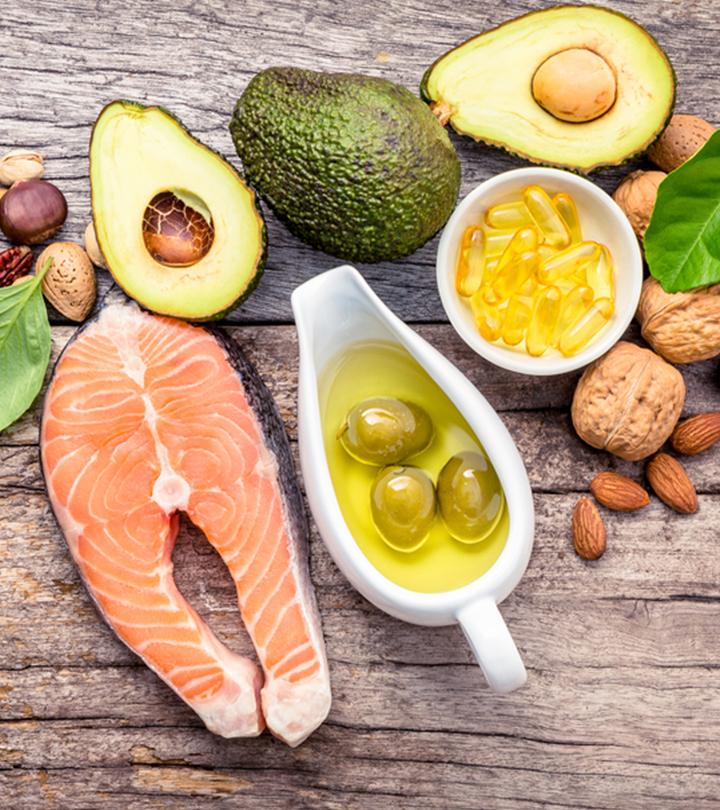
    Fatty fish such as salmon is rich in essential fatty acids and proteins. They help to gain weight and also boost your immunity. Omega-3 present in these fishes is the best source that is significant for weight gain. You can prepare different dishes from salmon like steamed fish, fried fish, and smoked salmon. 

    7: Potatoes and starch 

    Starch foods such as potatoes and corn are a famous, tasty option for quick weight gain. It is a cost-effective option that provides extra calories for your body. This food contains carbs and calories that increase muscle glycogen stores. Many of these starchy foods have carb sources that also provide essential nutrients and fibre, as well as resistant starch, which can help nourish your gut bacteria.

    8: Whole grain bread 

    The simple whole grain bread is a good source of carbs that will increase your weight. They can be a well-balanced meal when prepared with protein sources like eggs, meat, and cheese. The live, good bacteria in sourdough feed bacteria in the gut that can strengthen your immune system.

    9: Avocados

    Avocados are an excellent source of fats, antioxidants, vitamins, and fibres. You can eat avocado in your main meal, sandwiches, and other dishes that are essential for weight gain.

    10: Whole eggs 

    Whole eggs are the best option for your dietician for weight gain as they are full of proteins, calcium, and healthy fats. They are muscle building food that is available easily. It is necessary to eat the whole egg, its egg yolk is very beneficial. 

    There are many foods and supplements available that help you to gain weight. But, instead of trying to gorge yourself with masses of sweet or fatty foods, choose high-calorie foods that provide energy and build muscle mass without all of the unhealthy fats that can cause you harm.

    11: Healthy fats and oils 

    Healthy oils are extremely calorie dense and do not come with the downsides of other unhealthy oils. You can add these oils to salad dressing, as a seasoning base or for cooking. Avocado oil, Extra Virgin Olive oil and Coconut oil are three healthy oils that can help increase your calorie intake. Another method to incorporate healthy oil into your diet is to add one of these oils with a small amount of butter to your morning coffee. It’s trendy, yummy and healthy! 

  • California man appears to be another person cured of HIV after a stem cell transplant

    California man appears to be another person cured of HIV after a stem cell transplant

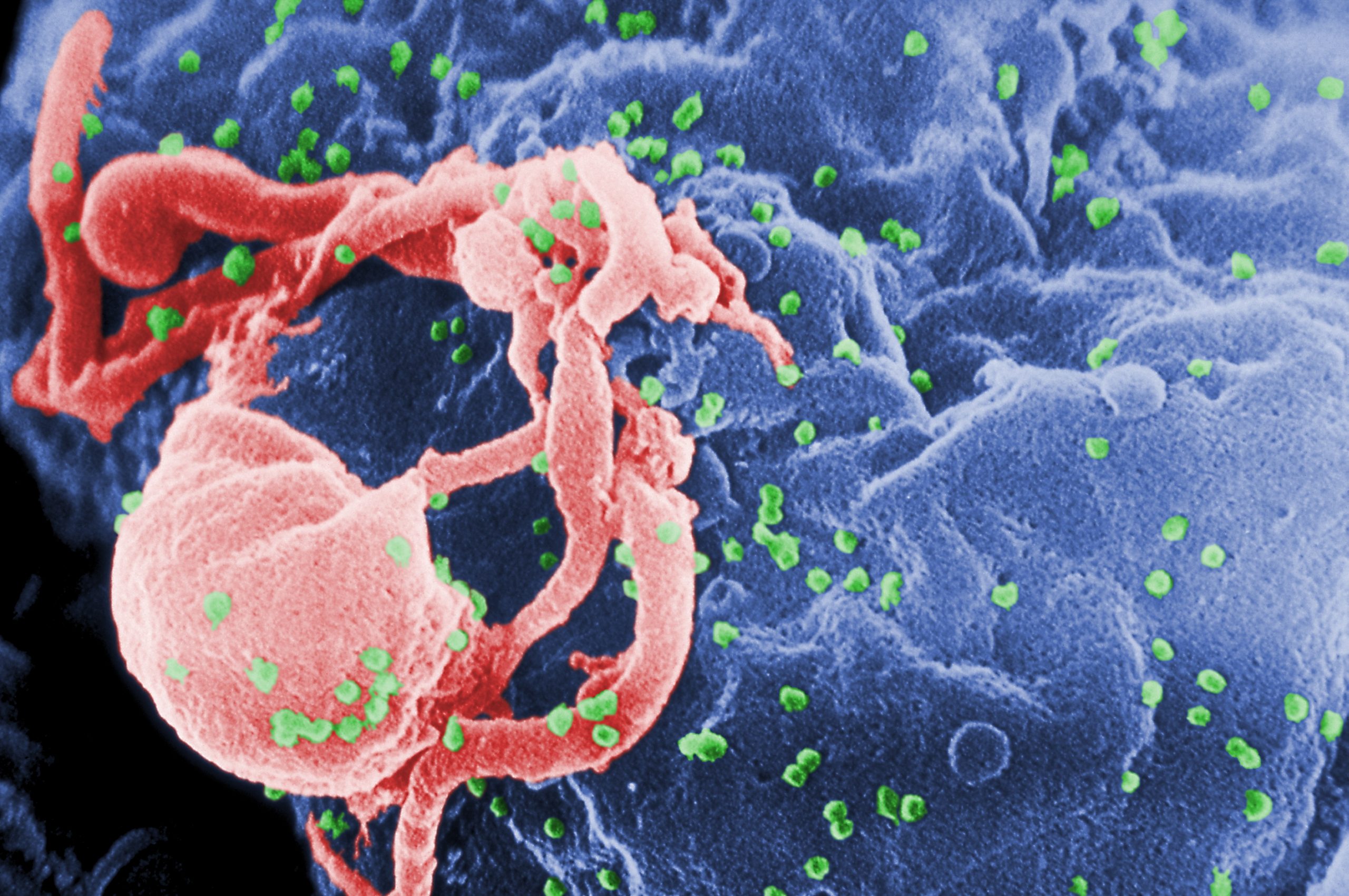
    A man in southern California, dubbed the ‘City of Hope patient’, appears to be the latest person cured of HIV after receiving a stem cell transplant from a donor with a rare mutation, bringing the total to five, according to a presentation on Monday at the 24th International AIDS Conference (AIDS 2022) in Montreal.

    The man remains free of HIV more than 17 months after stopping antiretroviral therapy (ART) and his leukaemia also remains in remission.

    The man is older than the handful of other people previously cured after such a procedure, he has been living with HIV longer and he received a less harsh conditioning regimen prior to the transplant.

    This suggests that this approach may be possible for a wider subset of HIV-positive people with advanced cancer, but it is far from feasible for the vast majority of people living with HIV.

    Yet the case could provide clues that help researchers develop more widely applicable approaches for long-term HIV remission.

    “The City of Hope patient’s case, if the right donor can be identified, may open up the opportunity for more older patients living with HIV and blood cancers to receive a stem cell transplant and go into remission for both diseases,” said Dr Jana Dickter of the City of Hope cancer centre near Los Angeles, who described the case at the conference and at an advance media briefing last week.

    The City of Hope patient

    The latest case involves a 66-year-old white man who was diagnosed with HIV in 1988. At one point, his CD4 count fell so low (below 100) that he was diagnosed with AIDS.

    He started ART when it became available in the mid-1990s. In 2018, he was diagnosed with acute myelogenous leukaemia.

    Complete cure or long-term remission?

    Researchers are still working to learn why these cures after stem cell transplantation were successful while other attempts have failed. Using stem cells with a double CCR5-delta-32 mutation seems to be key.

    At CROI 2012, researchers described two HIV-positive men in Boston who received stem cell transplants for cancer treatment from donors without the mutation. Both experienced viral rebound after stopping ART, though this was delayed.

    Some have posited that the graft-versus-host reaction might play a role in eradicating HIV, but the five patients who were cured received different pre-transplant conditioning regimens and some experienced mild or no graft-versus-host disease.

    Even as each new case provides more answers, stem cell transplants remain far too risky for people who do not need them to treat life-threatening cancer.

    Seeing the host as ‘foreign’, the donor immune cells can attack the recipient’s tissues and organs, which may necessitate immunosuppressive therapy.

    While waiting for donor cells to engraft, patients are highly susceptible to infections. What’s more, the procedure is medically intensive and costly and would be impossible to scale up to treat the millions of people living with HIV worldwide.

    Nonetheless, each case offers clues that could help researchers develop strategies that lead to more widely applicable functional cures, or long-term remission without ART. Deeks, for example, hopes emerging gene-editing technologies might be used to delete or disable CCR5 receptors and make an individual’s own immune cells resistant to HIV entry.

    “These cases are still interesting, still inspiring and illuminate the search for a cure,” International AIDS Society president-elect Dr Sharon Lewin of the Peter Doherty Institute for Infection and Immunity in Melbourne told reporters during an AIDS 2022 advance media briefing.

    But some advocates question why these rare cures, which won’t help most people living with HIV, get so much more attention than natural or post-treatment controllers, one of whom was also described at the conference.

    “I think they’re selling us a bill of goods,” DARE-CAB member Michael Louella said during the discussion following the presentation.

    “I’m never going to get that [a stem cell transplant], but this other type of remission that doesn’t get so much attention could be applicable for more people.”

  • Patient with monkeypox, undiagnosed HIV, suffers rotting nose

    Patient with monkeypox, undiagnosed HIV, suffers rotting nose

    In a bizarre case, a monkeypox patient’s nose began to rot after he was diagnosed with Human Immunodeficiency Virus (HIV), according to a report in Newsweek.

    The case was reported from Germany when the 40-year-old man visited the doctor with a red spot on the tip of his nose.

    It was initially dismissed as sunburn but the man’s condition later worsened after which tests were conducted and he was diagnosed with HIV due to which his nose had developed necrosis, the outlet further said.

    The image of the man’s nose shocked medical practitioners across the world. His case has also been published in journal Infection. The identity of the man has not been revealed.

    Three days after he visited the healthcare provider, the skin on the man’s nose started to die and turned black due to necrosis – the death of body tissue due to infection – Australia-based 7News said in a report. It left him with a huge, swollen scab, the outlet further said.

    Soon, his entire body was filled with white pus-filled blisters.

    The man was immediately asked to undergo a PCR test, which confirmed the monkeypox infection. Further tests revealed the man also had undiagnosed syphilis and HIV, said 7News.

    The German was put on intense medication, which caused his lesions to dry out but his nose only “partially improved”, the outlet further said, quoting healthcare professionals.

    In the journal, the doctors said that the man’s case became so severe because untreated HIV had left him immunocompromised, thereby putting him at risk of necrosis.

    The health experts also acknowledged that this was a rare case.

    “Most cases of (monkeypox) infection so far have been reported as mild, and controlled HIV infection does not appear to be a risk factor for severe courses.

    However, this case illustrates the potential severity of (monkeypox) infection in the setting of severe immunosuppression and untreated HIV infection,” the doctors are quoted as saying in the research paper published in journal Infection.

    The monkeypox virus usually spreads through close physical contact, including sexual contact, with an infected individual.

    In July 2022, the World Health Organisation (WHO) declared monkeypox a global health emergency.

  • COVID-19 linked to brain disorders up to two years on from infection

    COVID-19 linked to brain disorders up to two years on from infection

    People who have had COVID-19 face increased risks of neurological and psychiatric conditions like brain fog, psychosis, seizures and dementia up to two years after infection.

    Driving the news: That’s according to a new large-scale University of Oxford study that also found anxiety and depression were more common after COVID, though typically subsided within two months of infection.

    Why it matters: The study, published in the Lancet Psychiatry journal on Wednesday, is the “first to attempt to examine some of the heterogeneity of persistent neurological and psychiatric aspects of COVID-19 in a large dataset,” per an accompanying editorial.

    • “The results have important implications for patients and health services as it suggests new cases of neurological conditions linked to COVID-19 infection are likely to occur for a considerable time after the pandemic has subsided,” said study lead author Paul Harrison, a professor of psychiatry, in a statement.

    Flashback: A University of Oxford study last year found a third of COVID patients had experienced a psychiatric or neurological illness six months after infection.

    By the numbers: For the latest study, researchers examined the risks of 14 different disorders in over 1.25 million patients, ranging from children to seniors who were mostly in the U.S., two years on from COVID infection.

    • It compared this information with the electronic records of some 1.25 million people affected by other respiratory infections for the same period.

    What they found: Adults who were 64 years old and younger who’d had the coronavirus were more at risk of brain fog (640 cases per 10,000 people) compared with those who’d had different respiratory infections (550 cases per 10,000 people).

    • There were 1,540 cases of brain fog per 10,000 people in patients who were 65 years old and older who’d had COVID, compared with 1,230 cases per 10,000 for those with other respiratory infections.

    Meanwhile, there were 450 cases of dementia per 10,000 people and 85 occurrences of psychotic disorders per 10,000 among patients over 65 post-COVID.

    • For other respiratory infections in this age group there were 330 cases per 10,000 for dementia and 60 cases per 10,000 for psychotic disorders.

    Worth noting: Researchers found children were twice as likely to develop epilepsy or seizures (260 in 10,000) within two years of a COVID infection, compared to those who’d had other respiratory infections (130 in 10,000).

    • The risk of being diagnosed with a psychiatric disorder also increased, though occurrence was still rare — 18 in 10,000.

    What they’re saying: Wes Ely, a Vanderbilt University School of Medicine professor who researches Long COVID, told STAT News the data showed the mood disorders and anxiety problems that are “prevalent in long COVID tended to resolve in a matter of months, which is great news” for the patients.

    • Another notable finding was “the neurocognitive deficits that make people have brain fog, do not resolve so quickly,” added Ely, who is also associate director for research at the VA Tennessee Valley Geriatric Research and Education Clinical Center and was not involved in the study.
    • “Clinically, in my own practice and in our long Covid clinic, this is exactly what we’re seeing: that the acquired dementia that these patients get tends to be lasting and very problematic.”

    The bottom line, via Harrison: The findings highlight the need for more research to understand why such neurological conditions are occurring after COVID “and what can be done to prevent or treat these conditions.”